Bilder in dieser Kollektion
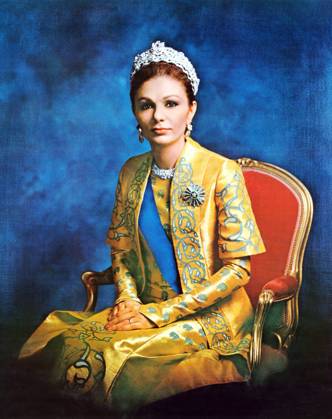
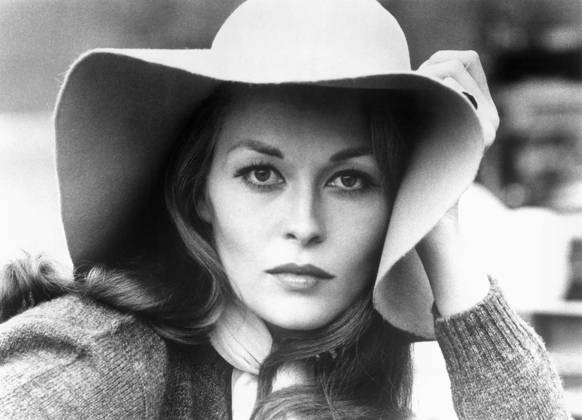
Iran Persia: Official portrait of Empress Farah Pahlavi (born 1938), wife and widow of Mohammad Reza Pahlavi, the Shah of Iran (1919-1979) Farah Pahlavi (born Farah Diba, 14 October 1938, Tehran); Persian: ÙØ±Ø Ù¾Ù‡Ù ÙˆÛa, is the former Queen and Empress of Iran. She is the widow of Mohammad Reza Pahlavi, the Shah of Iran, and only Empress (Shahbanou) of modern Iran. She was Queen consort of Iran from 1959 until 1967 and Empress consort from 1967 until exile in 1979.<br ><br > Though the titles and distinctions of the Iranian Imperial Family were abolished within Iran by the Islamic government, she is still styled Empress or Shahbanou, out of courtesy, by the foreign media as well as by supporters of the monarchy. Some countries such Copyright: xxPicturesxFromxHistoryx
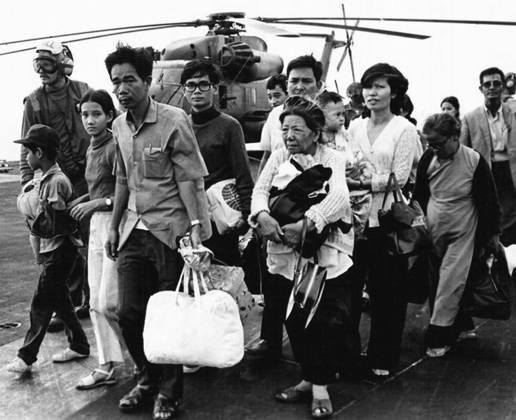
Vietnam: South Vietnamese refugees fleeing the communist conquest of Saigon in 1975 arrive at Camp Foster, Okinawa, Japan. CAMP FOSTER, OKINAWA, Japan ・South Vietnamese refugees walk across a U.S. Navy vessel. Operation Frequent Wind, the final operation in Saigon, began April 29, 1975. During a nearly constant barrage of explosions, the Marines loaded American and Vietnamese civilians, who feared for their lives, onto helicopters that brought them to waiting aircraft carriers. The Navy vessels brought them to the Philippines and eventually to Camp Pendleton, Calif. (Official U.S. Navy photo in Public Domain). Copyright: xxPicturesxFromxHistoryx
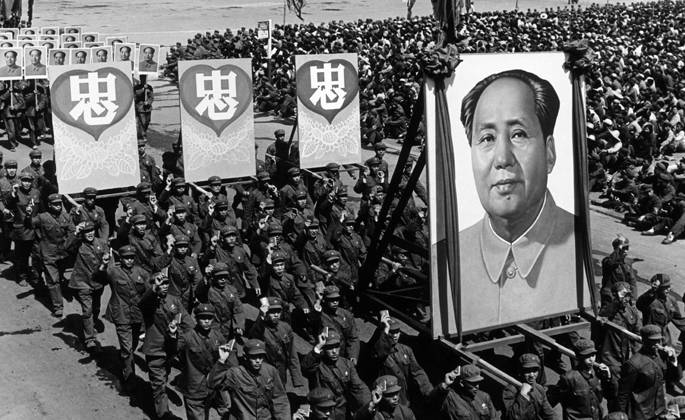
RECORD DATE NOT STATED China: A scene from the Cultural Revolution (1966-1976), mass demonstration in Shenyang, 1968. The Chinese characters read In Our Hearts , with reference to Chairman Mao Zedong The Great Proletarian Cultural Revolution, commonly known as the Cultural Revolution (Chinese: æ–‡aa–a¤ßé a‘½), was a socio-political movement that took place in the People s Republic of China from 1966 through 1976. Set into motion by Mao Zedong, then Chairman of the Communist Party of China, its stated goal was to enforce socialism in the country by removing capitalist, traditional and cultural elements from Chinese society, and impose Maoist orthodoxy within the Party. The revolution marked the return of Mao Zedong to a position of political power, after he lost Copyright: xxPicturesxFromxHistoryx